
The evolution of casinos a journey through time

The evolution of casinos a journey through time
Origins of Gambling: The Ancient Civilizations
The history of casinos can be traced back thousands of years to ancient civilizations. The earliest forms of gambling are believed to have originated in China around 2300 BC, where rudimentary games of chance were played using sticks and stones. Similarly, ancient Romans enjoyed various forms of betting, often placing wagers on gladiatorial contests and chariot races. These activities laid the groundwork for what would eventually evolve into organized gambling establishments. As you explore these historical roots, you may find that Betvictor offers modern gaming experiences inspired by such traditions.
In the Middle Ages, gambling became popular in Europe, particularly in France and Italy. The emergence of gaming houses during this era set the stage for modern casinos. The term ‘casino’ itself is derived from the Italian word meaning ‘little house’, reflecting the small venues where people gathered to play games. These early establishments primarily catered to the nobility and elite, offering an atmosphere of luxury and indulgence.
As gambling spread across Europe, different cultures began to influence the development of games and betting practices. The invention of playing cards in the 14th century introduced new forms of entertainment, leading to the creation of card games that are still popular today. As these games evolved and diversified, they began to attract a broader audience, paving the way for the future of casinos.
The Rise of the Casino: 17th to 19th Century
The 17th century marked a significant turning point in the evolution of casinos with the establishment of the first official casino, the Ridotto, in Venice. This luxurious establishment provided a controlled environment for gambling, complete with rules and regulations to ensure fair play. The concept of the casino quickly spread across Europe, leading to the opening of numerous gaming houses in cities like Paris and Monte Carlo, which became synonymous with high-stakes gambling.
In the 19th century, the advent of the Industrial Revolution transformed the casino landscape. With increased mobility and a growing middle class, gambling became more accessible to a wider range of people. The introduction of roulette and baccarat added excitement to the gaming experience, attracting more players. Moreover, the establishment of large casinos in resort destinations, such as Monte Carlo, created a glamorous reputation that drew visitors from around the world.
This period also saw the birth of organized crime’s association with gambling, particularly in the United States. With the rise of cities like Las Vegas in the early 20th century, illegal gambling operations flourished, prompting the need for regulation. The legalization of casinos in Nevada in 1931 was a pivotal moment that reshaped the gambling industry, transitioning it from the shadows of illegality to a legitimate and booming enterprise.
The Golden Age of Casinos: 20th Century Innovations
The mid-20th century is often referred to as the golden age of casinos, marked by the explosive growth of Las Vegas as a gambling mecca. The construction of iconic hotels and casinos, such as The Flamingo and The Sands, revolutionized the industry by combining luxurious accommodations with world-class entertainment. This era defined the modern casino experience, with elaborate shows, gourmet dining, and lavish décor that catered to the whims of affluent patrons.
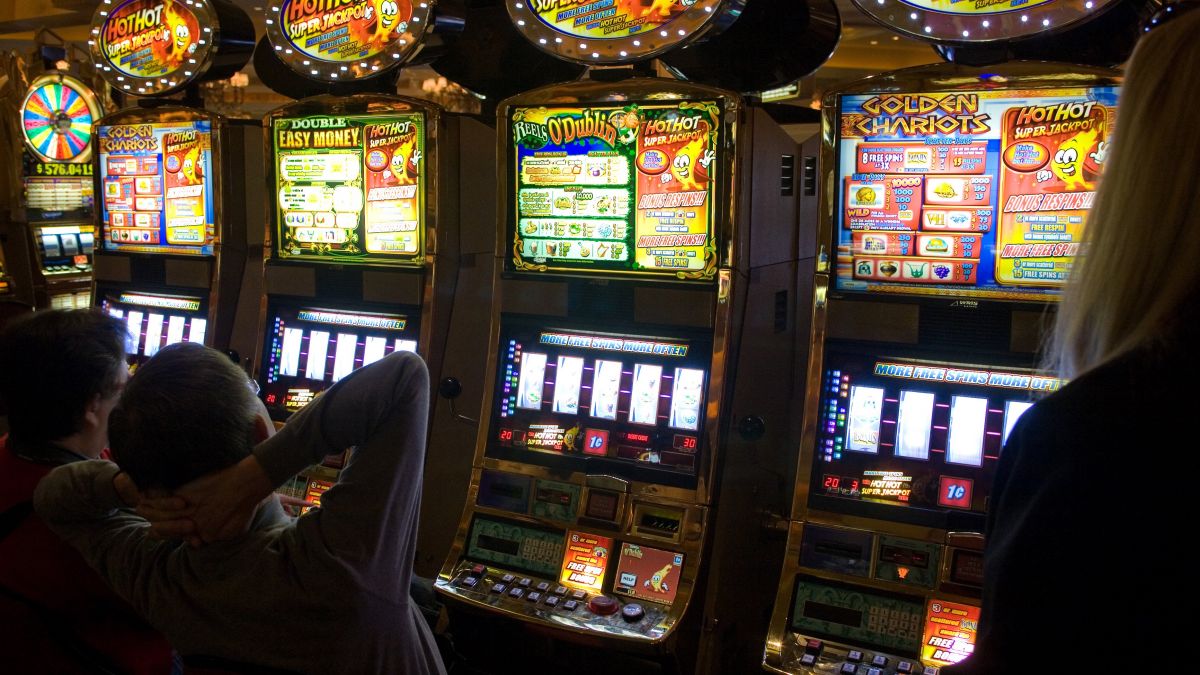
Technological advancements during this time also played a crucial role in the evolution of gambling. The introduction of electronic slot machines in the 1960s revolutionized the gaming experience, offering players a new form of entertainment that was easy to access and increasingly popular. This shift towards technology also made gambling more efficient and exciting, laying the foundation for the vast array of gaming options available today.
Additionally, the legalization of casinos in other states throughout the late 20th century expanded the market beyond Nevada. Atlantic City emerged as a rival destination, introducing its own unique flavor of casino culture. As more states recognized the potential economic benefits of legalized gambling, casinos began to pop up across the United States, creating a competitive landscape that fueled further innovation within the industry.
The Digital Revolution: Online Casinos and Beyond
The turn of the 21st century marked the onset of the digital revolution, drastically altering the casino landscape once again. The advent of the internet led to the rise of online casinos, allowing players to enjoy their favorite games from the comfort of their homes. This new platform broadened the audience for gambling, attracting individuals who may have been hesitant to visit physical casinos. Online gaming also introduced innovative gaming options, such as live dealer games, which provide a more immersive experience.
With the growth of mobile technology, online casinos became even more accessible. Players can now enjoy a vast array of games on their smartphones and tablets, transforming the way people engage with gambling. The convenience of mobile gaming has made it easier for casual players to participate, as they can place bets anytime and anywhere.
Regulation of online gambling has evolved as well, with many jurisdictions implementing measures to protect players and ensure fair play. The emphasis on responsible gaming practices has also increased, with online platforms offering various tools to promote safe gambling habits. This transition has contributed to the legitimacy of online casinos, solidifying their place within the broader gambling industry.

The Future of Casinos and Online Gaming
As the casino industry continues to evolve, the integration of technology remains at the forefront. Virtual reality and augmented reality are emerging as promising avenues for enhancing the gambling experience, allowing players to immerse themselves in digital environments that replicate the excitement of physical casinos. This technological integration could redefine how people interact with games and other players, making for a more engaging experience.
Moreover, the global landscape of gambling is changing, with many countries reevaluating their regulations around casinos and online gaming. As more nations move towards legalization, the potential for growth within the industry is immense. With the combination of traditional brick-and-mortar establishments and innovative online platforms, the future of casinos looks bright and dynamic.
In this rapidly evolving environment, it’s essential for players to stay informed about emerging trends and regulations. Engaging in responsible gambling practices will ensure a positive experience in both physical and online casinos. As technology continues to shape the industry, the opportunities for exploration and enjoyment are boundless, promising an exciting future for casino enthusiasts worldwide.
Related
Tidak ada komentar
Pengunjung Website
 Users Today : 125
 Users Last 30 days : 1164
 Total Users : 8172
 Views Today : 137
 Views Last 30 days : 1599
 Total views : 13594
Tinggalkan komentar